Becoming a Homeopath
A rewarding career helping people restore their health naturally
For many people, the decision to study homeopathy begins with simple curiosity or a personal health experience. Perhaps homeopathy has helped you or someone close to you. Perhaps you've always been drawn to a more holistic understanding of health. Or perhaps you're looking for work that feels more meaningful—work that allows you to spend time with people, listen carefully and support them on their journey towards better health.
Whatever has brought you here, becoming a homeopath is more than learning a profession. It's the beginning of a lifelong journey of understanding health, people and yourself.
What does a homeopath really do?
Homeopaths work with people of all ages and at every stage of life. Rather than focusing solely on a diagnosis or isolated symptoms, they take time to understand the whole person—their physical health, emotional wellbeing, personality, lifestyle and medical history.
A consultation is often as much about listening as it is about asking questions. Every patient brings a different story. Every consultation is unique. As treatment progresses, the relationship develops over time, allowing the homeopath to support each individual through the different stages of their healing journey.
Many practitioners tell us that this is one of the things they enjoy most about their work: no two days are ever the same, and there is always something new to learn.
When I started out with my diploma in hand, I was unsure that I could put what I had learnt into practice. But I soon found that what I had been taught at the School of Homeopathy held me steady and guided me. Bill, Graduate
A day in the life of a homeopath
A typical day might begin by welcoming someone into your consulting room or meeting them online from your own home. One patient may be bringing a young child with recurring infections. Another may be seeking support with a long-term health condition. Someone else may simply need the time and space to tell their story.
As a homeopath, much of your work is spent listening, observing and recognising patterns that gradually reveal the person behind the symptoms. After selecting the most appropriate homeopathic medicine, you'll continue to support your patients over time, celebrating improvements, navigating setbacks and witnessing the gradual restoration of health.
Many practitioners say it is these long-term relationships, and the privilege of accompanying people through important moments in their lives, that make homeopathy such a rewarding profession.
If you'd like to hear what life in practice is really like, our graduates share their experiences in Working as a Homeopath, describing how they built their practices and what they enjoy most about the profession. For another perspective, Misha Norland's A Day in the Life of a Homeopath offers a fascinating glimpse into the rhythm, relationships and quiet rewards of life as an experienced practitioner.
Could I become a good homeopath?
One of the questions we hear most often is: Am I the sort of person who could become a homeopath? After more than forty years of training practitioners, we've noticed something. Almost everyone begins with doubts. Some wonder whether they're scientific enough. Others worry they're changing career too late, or question whether they'll ever remember everyhting.
Those concerns are remarkably common. Successful homeopaths rarely begin with confidence. They develop it. One patient, one clinic and one consultation at a time. What matters most is curiosity, compassion and a genuine interest in understanding people. During your training you'll gradually develop the qualities every good practitioner relies upon: listening deeply, observing carefully, recognising patterns, thinking critically, building trust and remaining curious throughout your professional life.
Where do homeopaths work?
One of the attractions of homeopathy is the freedom it offers. Many practitioners establish their own private practice, choosing working hours that fit around family life or other commitments. Others combine homeopathy with nutrition, herbal medicine, osteopathy, nursing, counselling or other healthcare professions. Some teach, lecture internationally, supervise students, write books or develop specialist interests. There is no single career path. Some graduates build busy full-time practices. Others see patients one or two days each week while continuing another profession. Many discover that homeopathy gradually becomes a central part of both their work and their lives.
What does success look like?
Success isn't measured only by the size of your practice. For many homeopaths it means waking up each day looking forward to work. It means building lasting relationships with patients, working independently, continuing to learn throughout your career and creating a profession that reflects your values.
Every graduate's journey is different. Some begin practising immediately after qualifying. Others grow their practice gradually over several years. Some integrate homeopathy into an existing healthcare career, while others discover an entirely new direction in life. If you're wondering what that transition can look like, From Nursing to Homeopathy tells the story of one graduate's journey from conventional nursing into professional homeopathic practice.
Where are our graduates now?
All over the world! After decades of teaching, we've watched thousands of students build rewarding careers in homeopathy. Many go on to do more in the sector, they practice, write, teach, supervise and more. They run successful practices in towns and cities around globally. Others combine homeopathy with nursing, nutrition, herbal medicine or other healthcare professions.
There isn't one definition of success. There isn't one journey. What they all share is that they began exactly where you are now—with curiosity and a desire to learn.
I left fully equipped and confident to start a practice. My four years travelling to the School whizzed past... I met lifelong friends and have extremely fond memories of my time at the School. Polly, Graduate
It was as if I had found the authentic version of myself in homeopathy... the person I wanted to be. Kathryn Rush, Graduate
More than a profession
One of the biggest surprises for many students is that studying homeopathy is about far more than learning remedies. It changes the way you observe, listen and understand people. It develops your judgement, your compassion and your confidence. Many graduates tell us it transformed not only their career, but also their understanding of health, illness and themselves. We believe becoming a homeopath isn't simply about gaining a qualification. It's about becoming the kind of practitioner people trust with their health.
Could this be your path?
Every professional homeopath once stood where you are now. Curious. Interested. Wondering whether this could become something more. For some, homeopathy becomes a second career. For others, it becomes a lifelong vocation. Only you can decide where your own journey leads—but we'd be delighted to help you explore the possibilities.
Download the Prospectus, watch practitioner stories, or contact us for an informal chat about becoming a homeopath.
I left fully equipped and confident to start a practice. My four years travelling to The School whizzed past and I loved it. I met lifelong new friends and have extremely fond memories of my time at the School. It was unique.
When I started out with my diploma in hand, I was unsure that I could put what I had learnt into practice. But I soon found that what I had been taught at the School of Homeopathy held me steady and guided me.
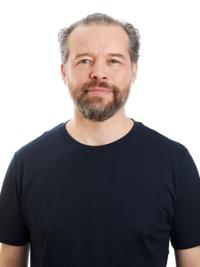
One of the greatest privileges of my life has been watching thousands of students grow into thoughtful, compassionate and confident homeopaths. It is never simply about gaining a qualification. Over the years I have witnessed remarkable personal and professional transformations, and nothing gives me more pleasure than meeting our graduates at conferences, hearing about their practices and seeing the difference they are making in the lives of their patients around the world.